
NHRPD consultancy Procurement
TOR for the Consultant

NHRDP Document

Discussion to Streamline the NHRDC Activities.

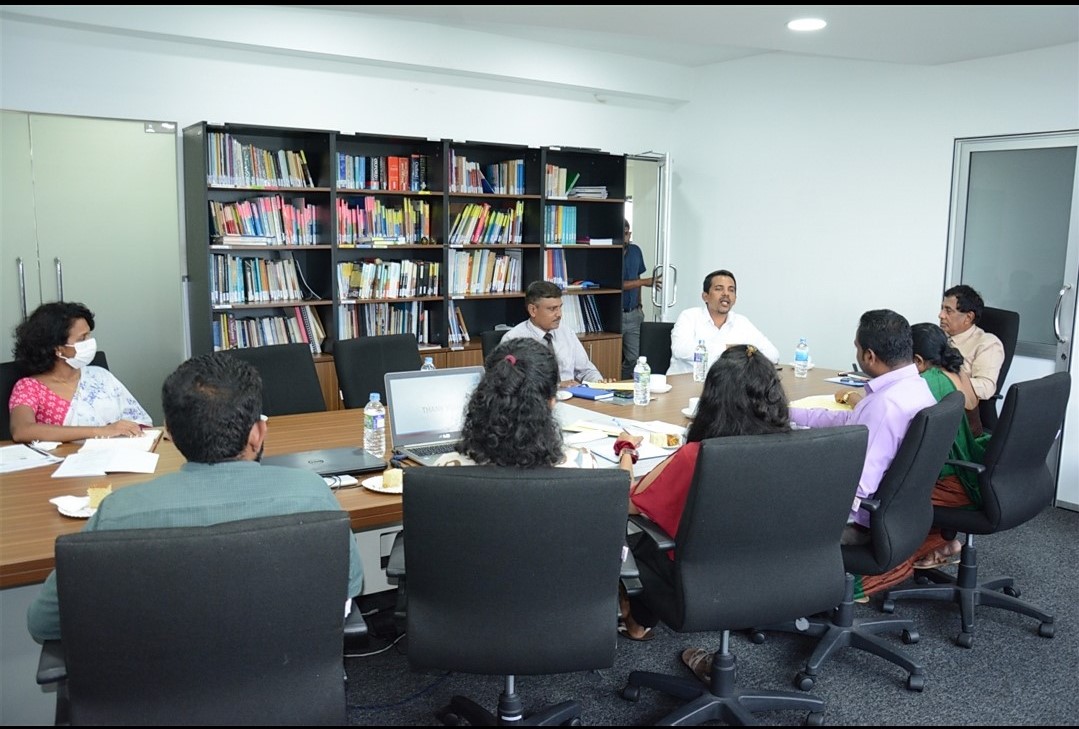
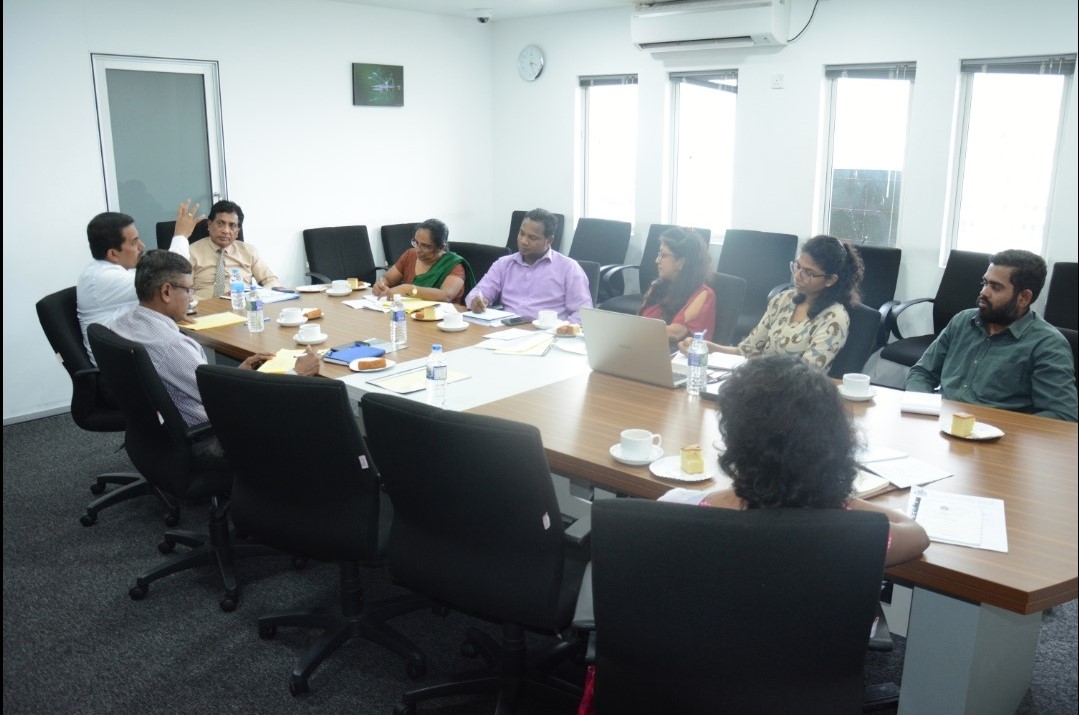
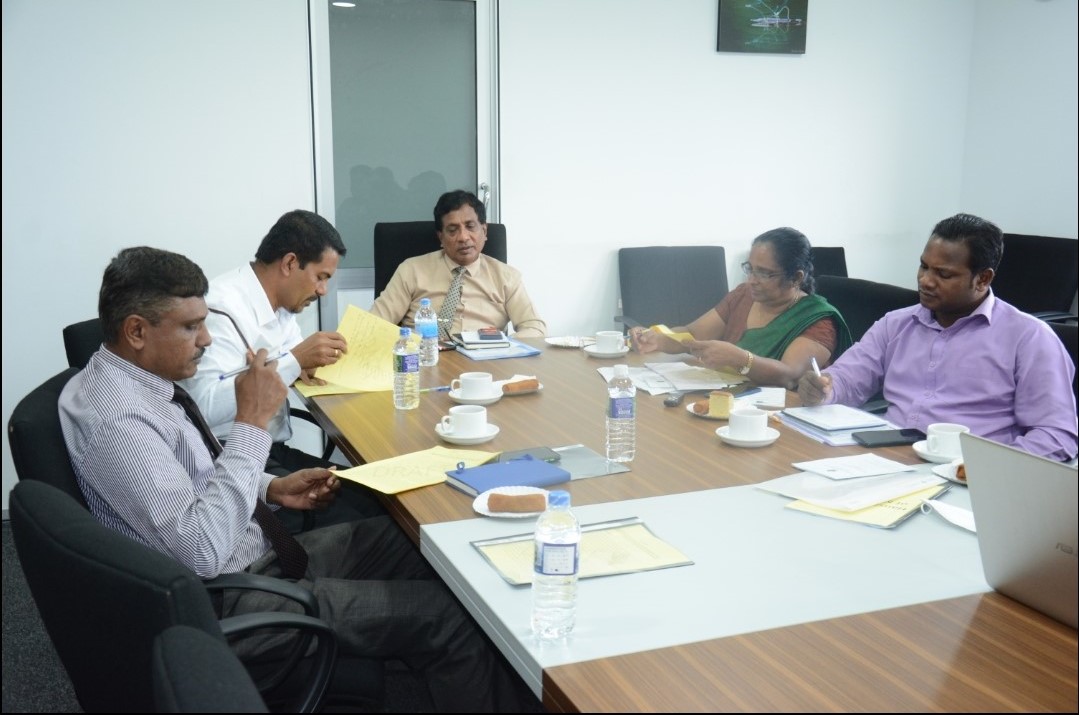
NHRDC Conducts Stakeholder Workshop on Human Capital Recovery in Sri Lanka’s Construction Sector
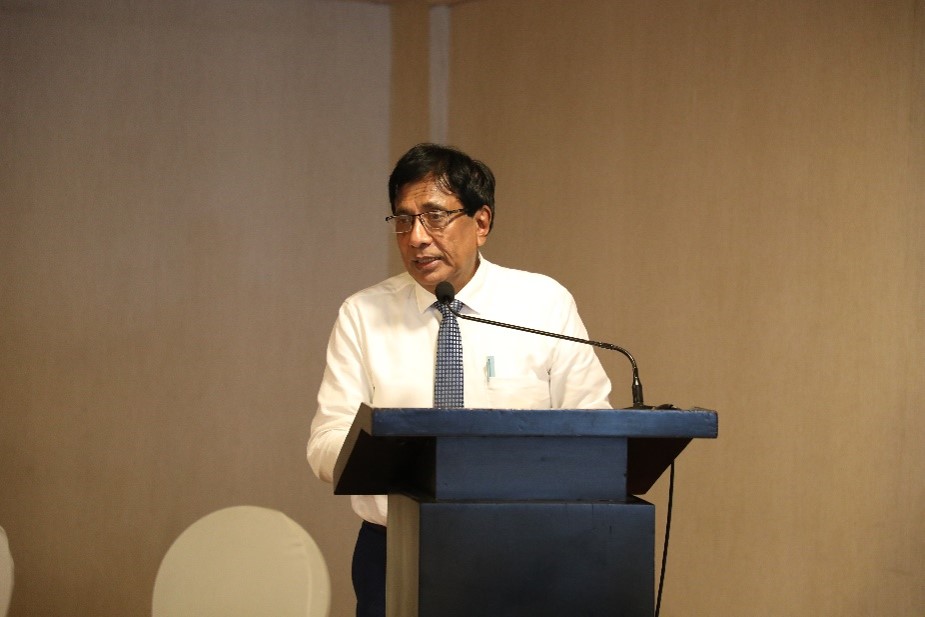
The National Human Resources Development Council of Sri Lanka (NHRDC) successfully conducted a half-day stakeholder workshop on “Human Capital Constraints and Recommendations for Construction Industry Recovery in Sri Lanka” on 04 June 2026 at The Albatross Hall, Waters’ Edge, Battaramulla.
The workshop brought together a distinguished gathering of policymakers, industry leaders, academics, professional bodies, and representatives from both the public and private sectors to discuss critical workforce-related challenges affecting the construction industry and identify practical strategies to support its recovery and long-term sustainability.
The event commenced with welcome remarks by Mr. Thusitha P. Wanigasinghe, Chairman of the NHRDC, who highlighted the importance of addressing human capital challenges as a key priority for the revival and growth of Sri Lanka’s construction sector. The keynote address was delivered by Mr. Kumudulal Bogahawatta, Secretary to the Ministry of Housing, Construction and Water Supply, who emphasized the need for coordinated efforts among stakeholders to strengthen the industry's workforce and enhance sector resilience.
The workshop featured a technical session led by Eng. P.A.P. Weerasekara, Director – Industrial Training, Construction Industry Development Authority (CIDA), who outlined the workshop objectives and the significance of developing evidence-based recommendations to address workforce constraints. Subsequently, Mr. Sampath Mallawarachchi, Senior Consultant of the Sri Lanka Institute of Development Administration (SLIDA), briefed participants on the SWOT analysis methodology that guided the discussions.
Participants engaged in group-based SWOT analyses to examine key human capital issues affecting the construction sector, including skills shortages, workforce migration, talent retention, industry attractiveness, training and development requirements, and future workforce sustainability. The findings and recommendations generated by each group were presented and deliberated during a plenary discussion, where priority issues and strategic interventions were consolidated.
The workshop was attended by senior officials and experts representing the Ministry of Housing, Construction and Water Supply, Construction Industry Development Authority (CIDA), Tertiary and Vocational Education Commission (TVEC), Ministry of Labour, Ministry of Industry and Entrepreneurship Development, Department of Census and Statistics, Ocean University, National Housing Development Authority (NHDA), National Construction Association of Sri Lanka (NCASL), Institution of Engineers Sri Lanka (IESL), Institute of Quantity Surveyors Sri Lanka (IQSSL), Construction Engineering Services organizations, and several leading private-sector construction firms including Access Engineering, Sanken Construction, Sierra Construction, Maga Engineering, Nawaloka Construction and other industry stakeholders.
The recommendations generated through the workshop will contribute to NHRDC’s ongoing efforts to formulate policy recommendations and strategic initiatives aimed at strengthening the construction sector workforce, improving productivity, and supporting national economic development.
The NHRDC extends its sincere appreciation to all participants for their valuable contributions and commitment to advancing human capital development within Sri Lanka’s construction industry.

NHRDC Convenes First Expert Committee Meeting on Identification of Human Capital Constraints in the Construction Sector
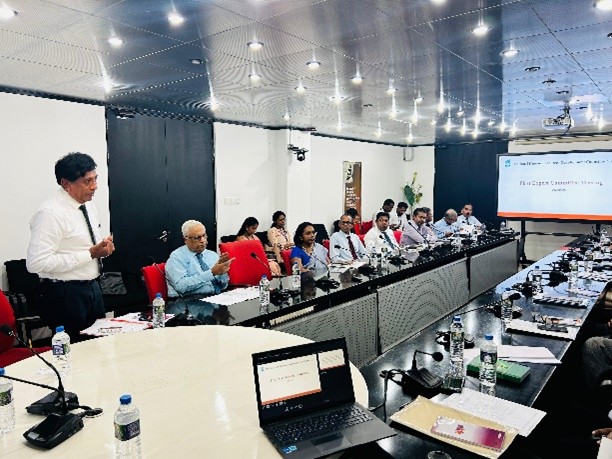
The National Human Resources Development Council (NHRDC) successfully convened the inaugural meeting of the Expert Committee on Identification of Human Capital Constraints in the Construction Sector, marking a significant milestone in efforts to strengthen workforce development in one of Sri Lanka’s most critical economic sectors.
The meeting was held on 7 April 2026 at the Ministry of Housing, Construction and Water Supply, and brought together a diverse group of stakeholders, including representatives from government institutions, industry associations, training and vocational education providers, and private sector organizations. The broad participation reflected the cross-cutting importance of addressing human capital challenges in the construction industry.
The construction industry, a key driver of national infrastructure development, is currently experiencing a range of human capital-related constraints. The Expert Committee highlighted several structural issues affecting sector performance and sustainability. Among the key concerns were persistent shortages of skilled and semi-skilled workers, which continue to cause delays in project implementation and increase operational costs. Participants also emphasized the growing gap between skills provided by education and training systems and those required by the industry. Another major concern raised was the ongoing migration of skilled workers to international labour markets, resulting in a significant loss of experienced personnel. The committee further noted that existing Technical and Vocational Education and Training (TVET) programmes are not fully aligned with industry needs, limiting their effectiveness in producing job-ready graduates. In addition, low attractiveness of construction careers driven by challenging working conditions and social perceptions was identified as a barrier to attracting new entrants into the sector. Productivity levels were also found to lag behind regional benchmarks, raising concerns about long-term competitiveness.
In response to these challenges, the committee discussed a range of strategic interventions aimed at strengthening the sector’s human capital base. Key recommendations included enhancing the responsiveness of the TVET system to labour market demands and expanding public–private partnerships in skills development. Improving workplace conditions and introducing incentive mechanisms to retain skilled workers were also identified as priority areas. Participants stressed the importance of reducing outward migration by creating more attractive domestic employment opportunities. Furthermore, the development of a comprehensive Labour Market Information System was proposed as a critical reform to support evidence-based planning, forecasting, and policy formulation in the sector.
The meeting concluded with agreement on a set of immediate follow-up actions. The NHRDC Research Team will revise and refine the survey instruments and data collection tools based on expert feedback. These will be circulated for further review and finalization in the coming weeks.
This initiative reflects NHRDC’s ongoing commitment to strengthening human capital development through evidence-based and collaborative approaches. The outcomes of this expert consultation are expected to inform policy direction and contribute to improving workforce quality, productivity, and resilience in Sri Lanka’s construction sector.
By facilitating structured dialogue between key stakeholders, NHRDC aims to ensure that human capital development strategies are closely aligned with industry needs and national development priorities.


Hon. Anura Kumara Dissanayake
President

Hon. Chandana Abeyratne
Minister
Ministry of Public Administration, Provincial Councils and Local Government
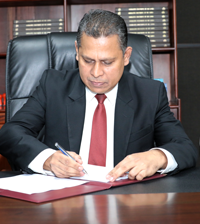
Mr. S. Alokabandara
Secretary
Ministry of Public Administration, Provincial Councils and Local Government

Mr. Thusitha P.Wanigasingha
Chairman
NHRDC
Vision
“To be the national catalyst for transforming Sri Lanka into a globally competitive, inclusive, and knowledge-driven economy empowered by innovative, skilled, and dignified human capital.”
Mission
To lead national coordination, advisory, and innovation efforts in human resources development by formulating evidence-based policies, fostering inclusive partnerships, and guiding implementation to build a future-ready, skilled, and dignified workforce for Sri Lanka.
Responsibilities
Employment, Training, Education, Utilization of Science and Technology, upliftment of living standards, planning social security for under-privileged groups and submitting recommendations to The Minister of plans and programs of Human Resources Development in keeping with the national policy.
Value Statement
We are committed to integrity, inclusiveness, and innovation in all that we do. Guided by evidence, driven by excellence, and grounded in the dignity of every individual, we strive to build collaborative and sustainable human resource development systems that empower every Sri Lankan to thrive in a globalized world.

The National Human Resources Development Council of Sri Lanka is an institution established to perform an important role of work under the Ministry of Public Administration, Provincial Councils and Local Government.
It takes responsibilities for work such as assisting to implement the policies pertaining to Human Resources Development and by giving priority in all the activities of Human Resources Development under the powers vested upon the said institute.
